

Life changes fast, but leases do not always move with you. Maybe a job changed, money got tight, or staying in the apartment no longer makes sense. For renters thinking about breaking lease Philadelphia, the main options usually include a buyout, sublet, lease transfer, or mutual termination. Here is what each path can look like in plain English
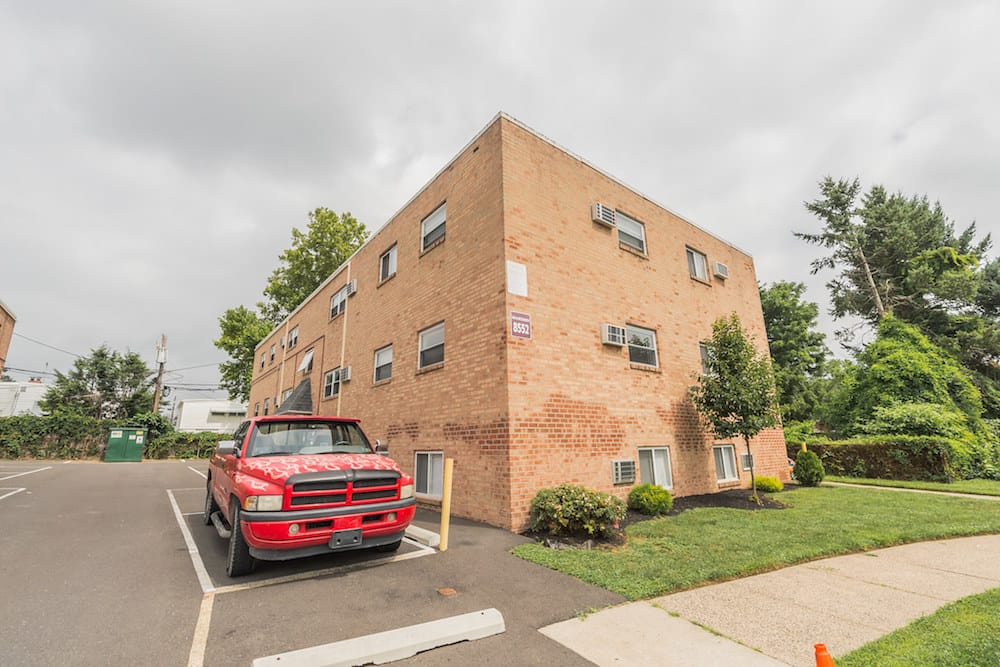
Four Ways to Exit a Philly Apartment Lease Early
Most renters have four realistic paths when they need to leave before the lease ends.
| Option | How it Works | Best For |
|---|---|---|
| Lease buyout | You pay an agreed amount to end the lease early | A cleaner exit when the lease has clear terms |
| Subletting | Someone else lives in the unit, but you may stay responsible | Temporary moves or short gaps |
| Lease transfer | A new tenant takes over your lease with landlord approval | Permanent moves when the landlord approves reassignment |
| Mutual termination | You and the landlord agree in writing to end the lease | Situations where both sides can work out a clean ending |
Read Your Lease First, Seriously
Before you email your landlord, find your actual signed lease. Not the listing. Not the move-in email. The lease.
Look for these sections:
- Early termination clause
- Lease buyout amount
- Sublet rules
- Assignment or lease transfer language
- Notice requirements
- Military clause
- Security deposit terms
- Move-out, cleaning, or damage fees
This step matters because how to break a lease in Philadelphia usually starts with the contract you already signed. If the lease says subletting or assignment requires written approval, do not skip that approval.
If you are reviewing money-related terms, M&M’s guide on how Philly apartment fees work can help you understand common charges like application fees, administrative fees, security deposits, pet fees, utility fees, and parking charges. M&M’s own fees guide lists those as common move-in costs for Philadelphia renters.
Option 1: Lease-Buyout Clauses are Usually the Cleanest Exit
A Philadelphia lease buyout is often the simplest path when your lease already explains it.
A buyout clause usually lets you end the lease early by paying a set amount and giving proper notice. Many renters see buyout language structured around one or two months’ rent, though your lease may say something different.
The upside is clarity. You know the cost. The landlord knows the timeline. Both sides can put the agreement in writing.
The downside is cash. A buyout can feel expensive, especially if you are also paying movers, new application fees, and a deposit somewhere else.
Ask three questions before agreeing:
| Buyout Question | Why It Matters |
|---|---|
| What is the exact buyout amount? | You need the number in writing |
| Does this release me from future rent? | A buyout should clearly explain what it covers |
| What move-out date applies? | Timing affects rent, keys, utilities, and cleaning |
If you are planning your next move while leaving a lease elsewhere, you can review property details for The Mill at York Station as part of your comparison process. The live property page confirms apartment information and tour options for renters considering that community.
Option 2: Subletting a Philadelphia Apartment

Subletting sounds quite fun at first. Someone moves in, covers the rent, and you get room to breathe while the lease keeps running.
The catch is responsibility. Even if another person lives there, your name may still be on the lease. If they miss rent, damage the unit, break rules, or leave early, it can still come back to you.
That is why subletting Philadelphia apartments should not happen through a casual post or quick handshake. Get written approval from the landlord first.
It can work well for a temporary move, like a short job assignment, school program, or family situation. But if you need a clean, permanent exit, subletting may not be the best path.
Before posting the apartment anywhere, as:
- Is subletting allowed?
- Is written approval required?
- Does the sublessee need a background or credit check?
- Who pays rent?
- Who is responsible for damage?
- Can the landlord reject the proposed sublessee?
Do not assume silence means permission. Get the approval in writing.
Option 3: Lease Transfer or Reassignment
A lease transfer Philadelphia renters may also hear called “assignment” is different from a sublet.
With a sublet, the original tenant may remain tied to the lease. With a transfer or assignment, a new tenant may take over the lease obligations after landlord approval. When done correctly, this can be one of the better outcomes for everyone.
The landlord gets a screened replacement. You get a cleaner exit. The new renter gets an apartment without waiting for another listing.
But the process is not automatic. Most landlords will want the new tenant to apply, pass screening, meet income requirements, and sign the right documents. Until that process is complete, do not assume you are released.
Renters comparing future options can also look at The View at Manayunk to understand how another M&M property presents apartment types and contact details. The live M&M page confirms The View is an apartment property page with rental information and contact access.
Option 4: Mutual Termination
Mutual termination happens when the landlord and tenant agree to end the lease early under written terms.
This is not guaranteed. A landlord may say no, especially if the unit is hard to re-rent or the lease does not include an early exit option.
Still, it is worth asking professionally.
A strong request should be clear, calm, and early. Explain that your situation changed. Give a realistic move-out date. Offer to cooperate with showings if needed. Ask what options are available.
You might write:
“Hi, I’m dealing with an unexpected relocation and need to discuss options for ending or transferring my lease early. I understand the lease terms still apply, but I’d like to work with you on the cleanest path forward. Could you please let me know what options are available in writing?”
That tone helps keep the conversation practical.
Special Situations: Military, Domestic Violence, and Habitability
Some situations may involve specific legal protections. This section is only a starting point, not legal advice.
For military renters, the Servicemembers Civil Relief Act can protect eligible servicemembers who need to end a lease because of qualifying deployment or permanent change of station orders. The U.S. Department of Justice explains that the SCRA includes protections related to leasing agreements.
For renters experiencing domestic or sexual violence, Philadelphia has local protections. Community Legal Services of Philadelphia explains that Philadelphia Ordinance § 9-804 may allow qualifying survivors to end a lease early by giving notice and documentation.
Habitability issues are different. If the apartment has serious safety or repair problems, do not simply leave and hope it works out. Document the issue, communicate in writing, and contact a Philadelphia tenant resource or local attorney before making decisions.
What it Could Cost
The cost can range from manageable to expensive.
| Exit Path | Possible Cost |
|---|---|
| Lease buyout | Often a stated lease amount, sometimes equal to one or more months’ rent |
| Sublet | Possible screening fees, plus risk if the sublessee fails to pay |
| Lease transfer | Possible transfer or admin fees, plus rent until approval is complete |
| Mutual termination | Negotiated cost, sometimes lower if the landlord agrees |
| Leaving without agreement | Highest risk: unpaid rent, fees, collections, or legal claims |
The key point: any unrecovered rent may remain your responsibility unless your lease, a written agreement, or a legal protection says otherwise.
That is why written approval matters. A phone call is not enough.
How a Good Landlord Handles this
A good landlord does not make early lease questions harder than they need to be.
They explain your options. They point you back to the lease. They put buyout amounts or transfer steps in writing. They tell you whether subletting is allowed and what approval process applies.
That does not mean every request gets approved. It means the process is clear.
If you are comparing landlords for your next apartment, look for property managers who make expectations easy to understand before you sign. M&M’s site includes resident-facing resources, property pages, and a contact page where renters can ask questions before moving forward.
What to Do this Week
If you need to leave your lease early, do not start by guessing. Work through the steps.
- Find your signed lease.
- Highlight early termination, sublet, assignment, and notice sections.
- Calculate the cost of each option.
- Decide whether you need a clean exit, temporary sublet, or full transfer.
- Email your landlord and ask for written options.
- Save every reply.
- Contact a local attorney or tenant resource if safety, habitability, military orders, collections, or legal risk are involved.
If you already know your move-out timeline, you can check availability for current M&M apartment options before planning your next lease.
Frequently Asked Questions
Can My Landlord Refuse to Let Me Sublet?
Yes, depending on the lease. Many leases require written landlord approval before subletting. Some leases may prohibit it completely. Read your lease first and ask before listing the apartment.
Will Breaking My Lease Hurt My Credit?
It can, but not always. If you leave with a written agreement and pay what you owe, credit damage is less likely. If unpaid rent or fees go to collections or court, that can create bigger problems.
How Much Notice Do I Need to Give in Pennsylvania?
It depends on your lease and why you are leaving. Some early termination clauses require a specific notice period. Special situations may involve different rules. Check your lease and speak with a local tenant resource if you are unsure.
What Happens to My Security Deposit if I break the Lease?
Your deposit may still be used for unpaid rent, damage, or allowed lease charges. If you reach a written agreement, ask how the security deposit will be handled before you move out.