

Splitting rent with roommates in Philadelphia works best when expectations are clear from the start. Rent, utilities, and household responsibilities should be divided fairly and written down in a simple agreement. This helps everyone understand their financial responsibilities and reduces conflicts during the lease.
Living with roommates is one of the smartest moves a renter can make in a city like Philadelphia. Without a clear plan, even strong friendships can feel strained when bills arrive. Whether you move in with friends or new roommates, knowing how to split rent with roommates in Philadelphia helps everyone start on the right foot.

Living With Roommates in Philadelphia
Philadelphia is one of the most livable cities on the East Coast. It is also more affordable than cities like New York or Washington, D.C. Even so, rent adds up fast, particularly in popular neighborhoods.
Areas like Center City, University City, and Manayunk remain popular with renters. Shared housing helps make these neighborhoods more accessible.
Splitting costs with roommates can make a big difference in your monthly budget. You may be able to afford a larger apartment, live closer to work, or simply save more money. For students, young professionals, and newcomers, living with roommates is often the most practical way to settle into Philly.
How to Split Rent With Roommates in Philadelphia
There is no single way to divide rent. The best approach depends on the apartment layout and your roommates’ situations. Here are three common methods renters use.
Equal split: Everyone pays the same amount. This works well when bedrooms are similar in size and features. It is simple, transparent, and easy to manage.
Room-size split: Rent is divided based on bedroom size or features. If one room has a private bathroom or a large closet, the renter may pay a bit more. Many households calculate each room as a percentage of the total space.
Income-based split: Some roommates divide rent based on income. This approach requires open communication and trust. It can feel fairer when household incomes vary.
For example, imagine a two-bedroom apartment in Roxborough renting for $1,800 per month. If one bedroom is larger, the renter might pay $1,000 while the other pays $800. Document whatever you decide so there’s no confusion later.
Dividing Utilities Fairly
Rent is the highest cost, but utilities matter too. Here’s how to handle the most common shared expenses:
- Electricity and gas: These bills change with the seasons. Splitting them equally each month is usually the easiest option. One roommate can manage the account while others send their share before the due date.
- Water: Many Philadelphia apartments include water in the rent. Always confirm this with your landlord before assuming.
- Internet: Split this evenly because everyone uses it equally. Comparing local providers can also help lower costs.
Streaming services: If roommates share subscriptions, decide early who pays for which services. Keeping a simple list prevents misunderstandings later.

Using a shared expense app can simplify tracking. Some roommates prefer to rotate who pays each bill so the responsibility feels balanced. The key is choosing a system everyone agrees to follow.
Setting Clear Household Responsibilities
Money is not the only source of roommate stress. Shared spaces and daily chores can also create tension if expectations are unclear.
Consider creating a simple rotating cleaning schedule for common areas such as the kitchen, bathroom, and living room. Decide who handles trash and recycling on which days. Agree on shared supply purchases (dish soap, paper towels, trash bags) and whether you’ll split those costs.
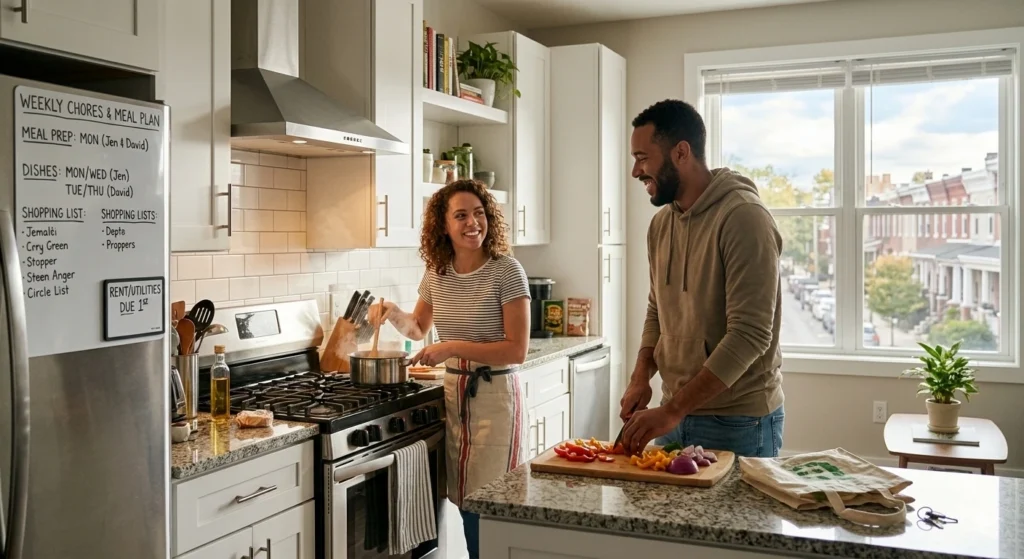
It is helpful to talk about quiet hours, especially if roommates have different schedules. A quick conversation early on can prevent frustration later. These discussions may feel awkward at first. Still, having them before moving in often makes shared living much easier.
Creating a Simple Roommate Agreement
A roommate agreement does not need to be a formal legal document. The important part is writing it down. When everyone agrees to the same expectations, misunderstandings are much less likely.
Your agreement can include a few basic points:
- Monthly rent amounts and payment deadlines
- Which utilities each person handles
- Guest policies and overnight visitors
- Rules for shared spaces such as the kitchen, bathroom, and living areas
- What happens if someone needs to move out early
Many renters use free roommate agreement templates online. Others create a shared document using Google Docs. The goal is simply to have something clear to reference if questions come up. If you have questions about what is typically included in lease agreements, the team at M&M Property Management can help explain common practices in Philadelphia.
Tools That Make Splitting Expenses Easier
Technology has made managing shared expenses much easier today. These apps and platforms help roommates stay organized and avoid awkward conversations about money.
- Splitwise: One of the most popular apps for tracking shared expenses. You log purchases, and the app calculates who owes what. It works well for utility bills, groceries, and household supplies.
- Venmo or Zelle: These payment apps make it quick to transfer money between roommates. Setting reminders can help everyone pay their share on time.
- Google Sheets: Some households prefer a shared spreadsheet. It can work well for organized roommates who want a simple monthly tracking system.
Whatever tool you choose, make sure everyone has access and agrees to use it. Transparency eliminates guesswork and keeps small misunderstandings from becoming bigger problems.
Finding the Right Apartment for Roommates
Not every apartment layout works well for shared living. When searching for a place, look for features that make everyday life easier for multiple people.
Helpful apartment features include:
- Multiple bedrooms with adequate closet space
- At least one-and-a-half bathrooms for two or more renters
- A functional kitchen with enough storage
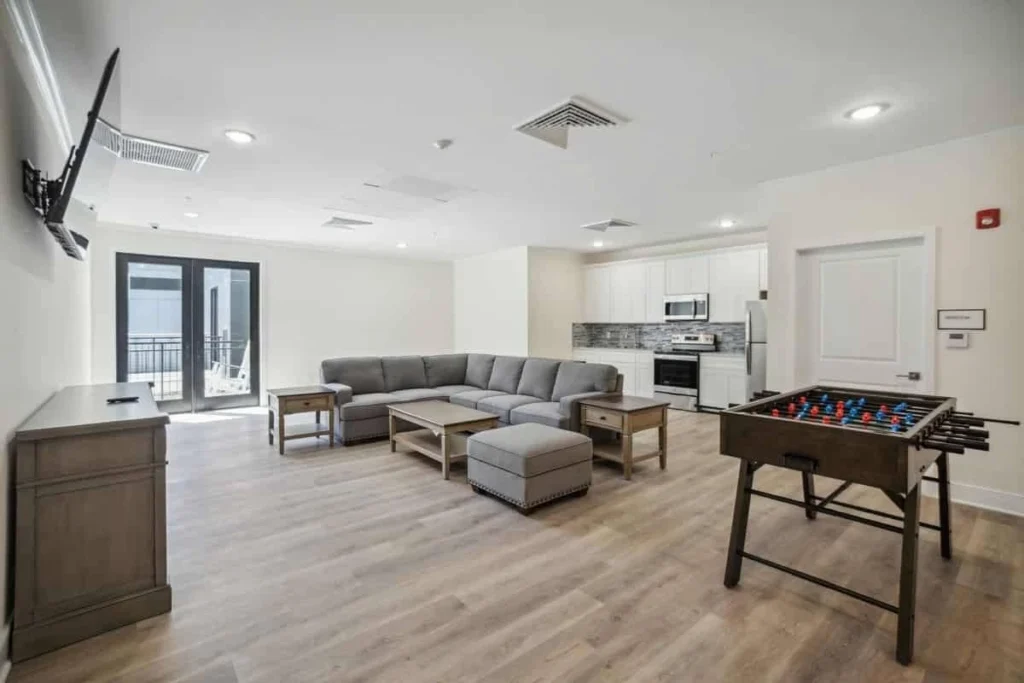
- A living area large enough for shared use
- Convenient access to public transit or parking
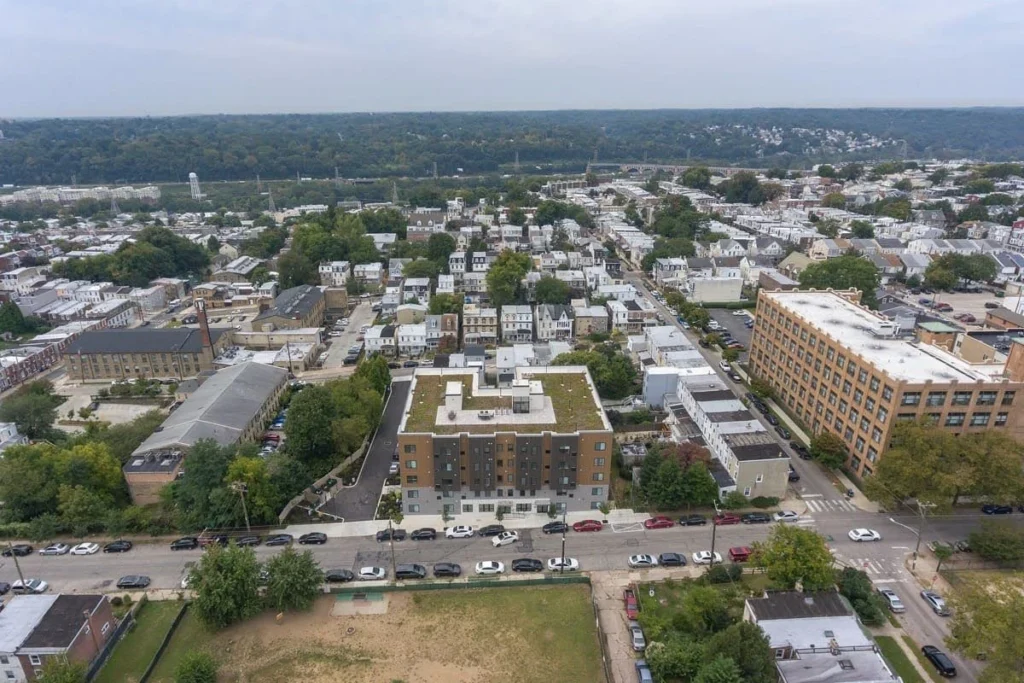
Philadelphia neighborhoods like Manayunk, Roxborough, and Northwest Philadelphia tend to offer more spacious apartments at competitive price points compared to Center City. These areas also provide strong local amenities, including restaurants, parks, and easy access to the rest of the city.
If you are looking for available rentals in Philadelphia that are well-suited to shared living, M&M Property Management offers listings worth exploring. Their apartments in Manayunk are particularly popular with young professionals and roommate groups who want more space without moving far from Center City.
Explore Apartments With M&M Property Management
Finding the right apartment often makes living with roommates much easier. M&M Property Management specializes in Philadelphia rentals, including properties in Manayunk and surrounding neighborhoods that are well-suited for shared living.
Whether you are renting for the first time or planning a move with friends, their team can help you find an apartment that fits your group’s needs and budget. Check out The View at Manayunk for a look at one of their standout properties, or browse their full range of property management services to learn more about what they offer.Ready to find your next place? Explore available rentals in Philadelphia or contact M&M Property Management to get started today.